Wish your backyard could do the heavy lifting at your next showing? In Laguna Beach, outdoor spaces are just as important as the interiors, and buyers arrive with sky-high expectations. You want upgrades that look stunning, hold up to salt air, and feel effortless to use year-round. In this guide, you’ll learn which outdoor improvements resonate most with Laguna Beach buyers, how to select coastal-grade materials, and where to focus before you list. Let’s dive in.
What Laguna buyers value outside
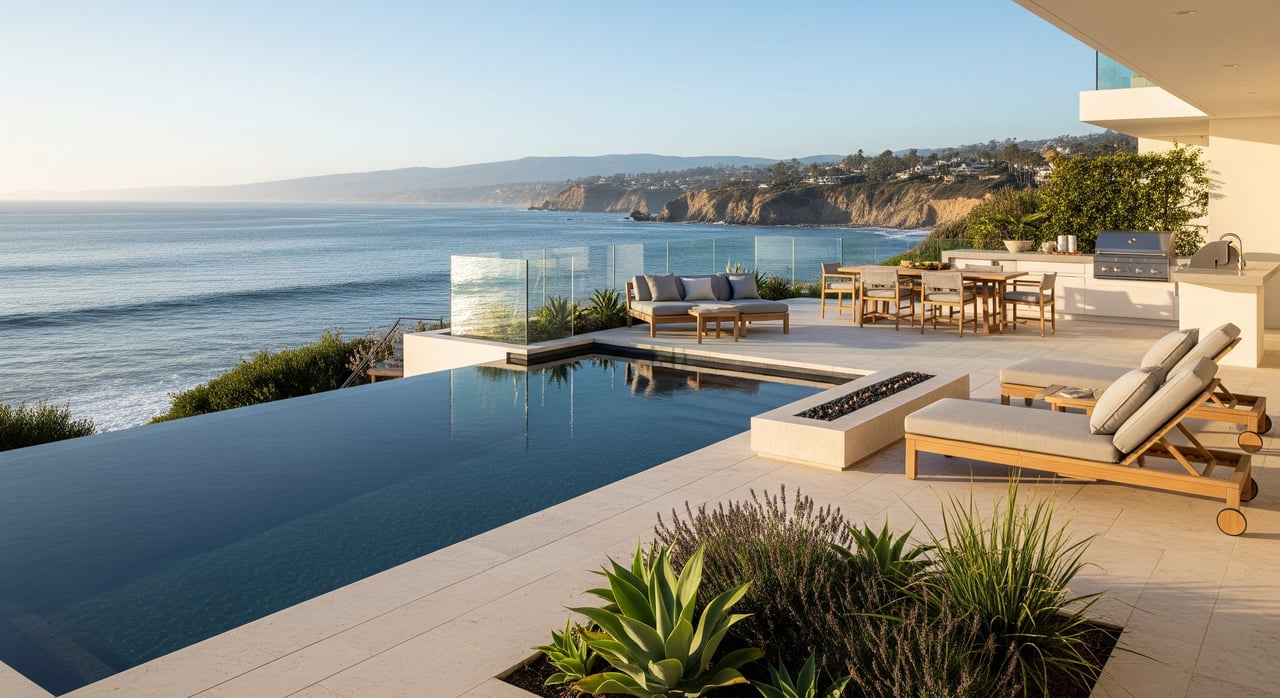
Laguna Beach blends ocean views, coastal breezes, and mild weather. Buyers expect seamless indoor–outdoor living, low-maintenance finishes that can handle salt and sun, and comfortable spaces for entertaining. Upgrades that protect sightlines, reduce upkeep, and add usable square footage outside draw the most attention. Think durable materials, covered seating, smart irrigation, and layered lighting.
Choose salt-air resistant materials
Salt spray, fog, humidity, and strong sun accelerate wear. Materials that perform inland can fail fast at the coast. Prioritize products designed for marine environments so your space shows beautifully and lasts longer.
- Metals: Use 316 marine-grade stainless steel for fasteners, hardware, and outdoor kitchen components. Powder-coated aluminum with marine-grade finishes works well for railings and frames. Avoid plain carbon steel and unprotected iron near the ocean.
- Wood and decking: Teak and ipe are naturally durable and attractive but need basic care. High-quality composite decking formulated for UV and salt exposure offers lower maintenance. Always choose fasteners rated for coastal use.
- Stone, concrete, and tile: Dense natural stone and properly sealed concrete resist salt better than porous tile. Select slip-resistant textures for wet areas.
- Fabrics and cushions: Solution-dyed acrylics resist UV fading, salt, and mildew. Quick-dry foams and removable covers make upkeep easier.
- Finishes and paints: Marine-grade coatings, elastomeric finishes, and mildew-resistant exterior paints extend service life. Plan on more frequent refresh cycles than inland homes.
Smart detailing prevents hidden damage. Avoid mixed-metal contact that can trigger galvanic corrosion. Design for drainage and ventilation under decks to reduce trapped moisture. For metal equipment, consider corrosion protection or sacrificial anodes where appropriate.
Create seamless indoor–outdoor flow
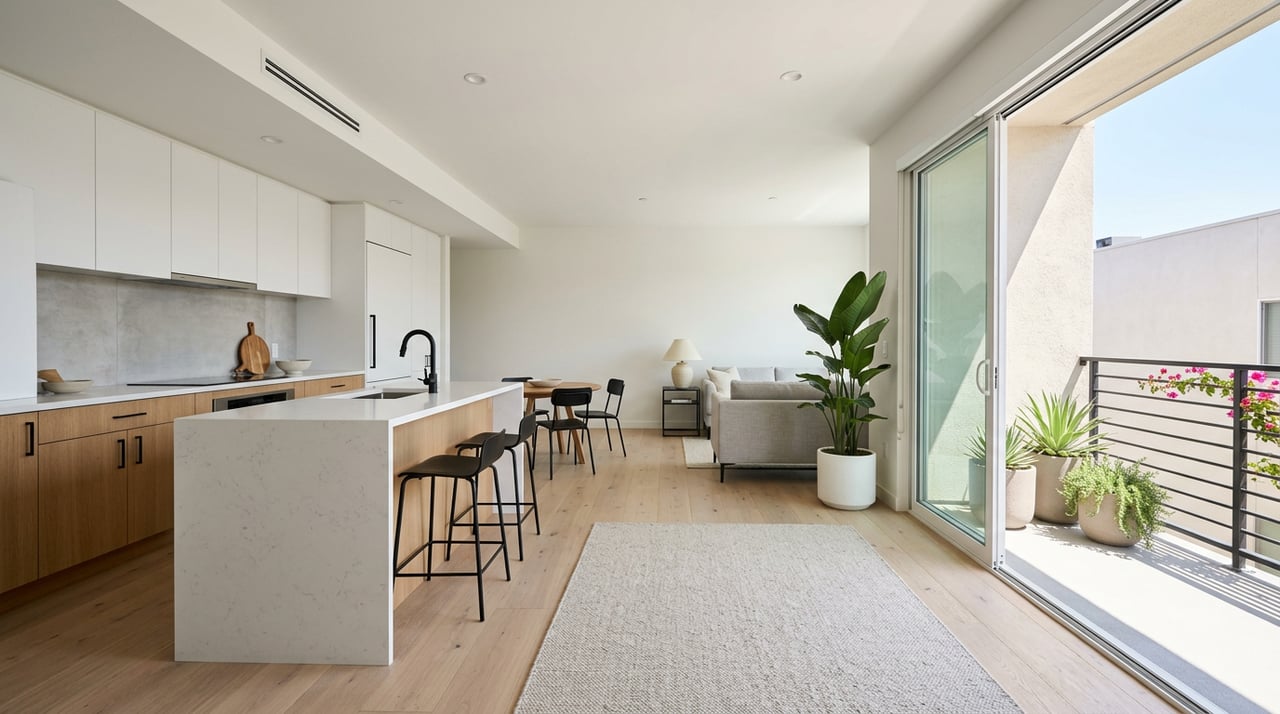
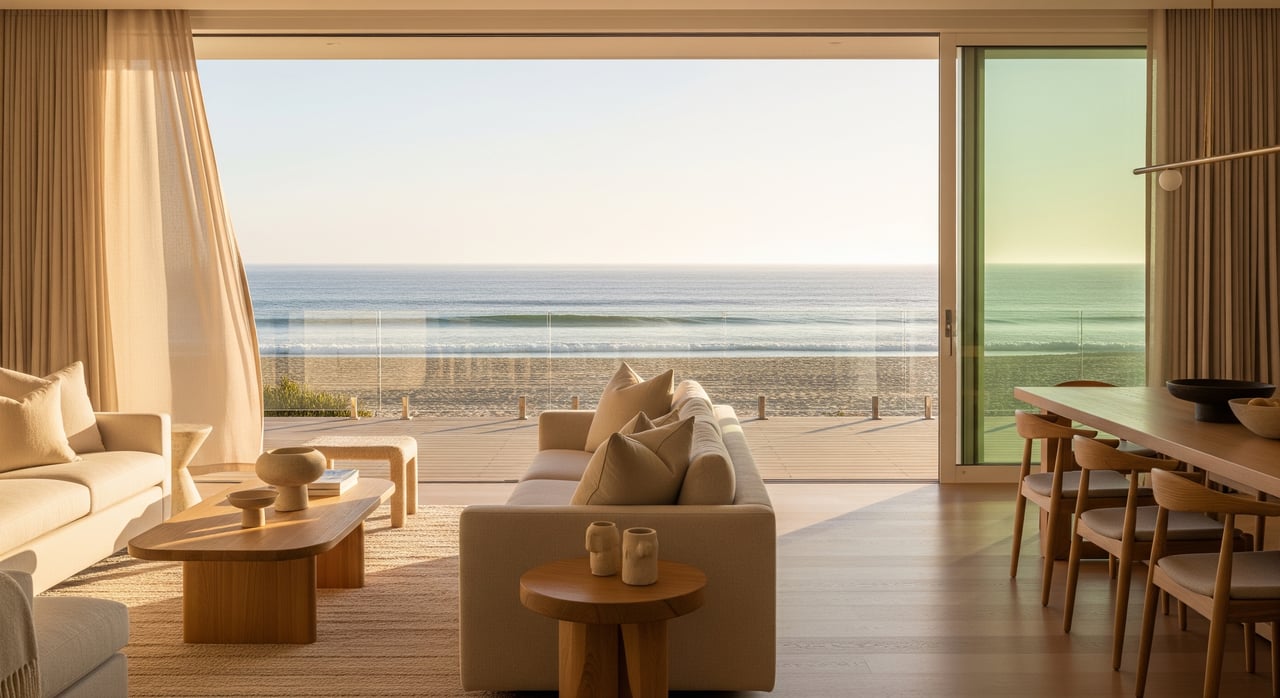
Buyers love large, easy transitions that expand living space and preserve views. Thoughtful design makes patios feel like true outdoor rooms.
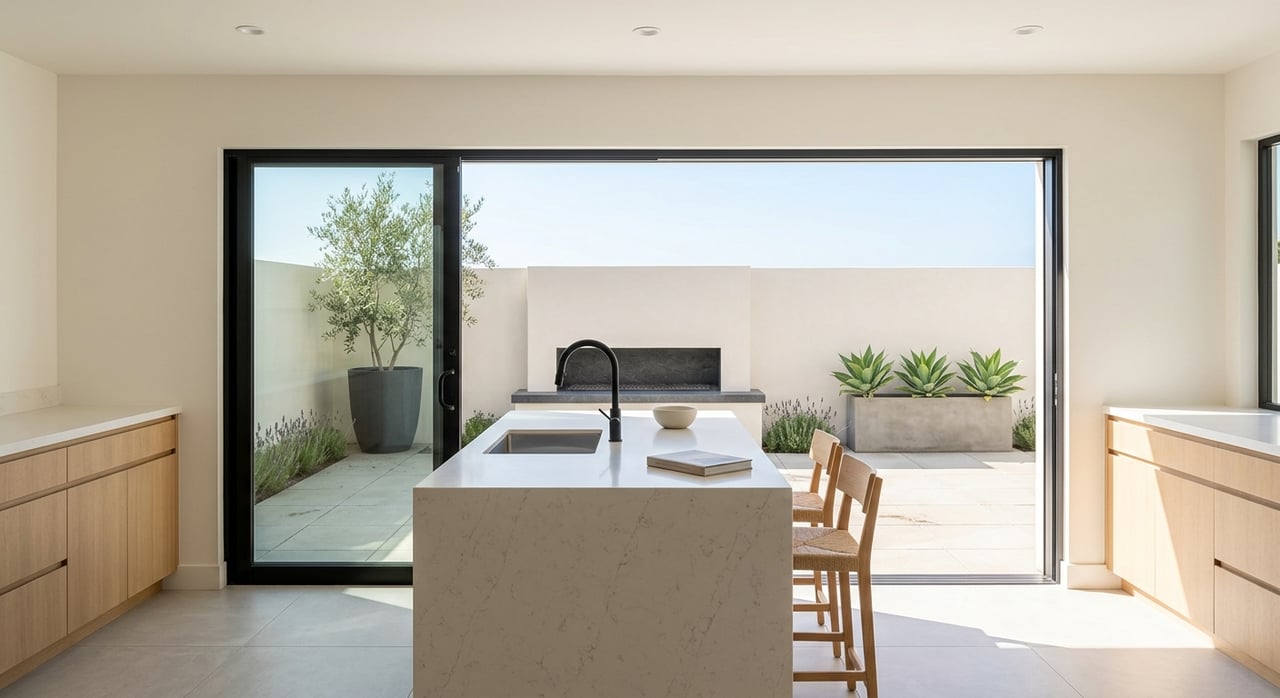
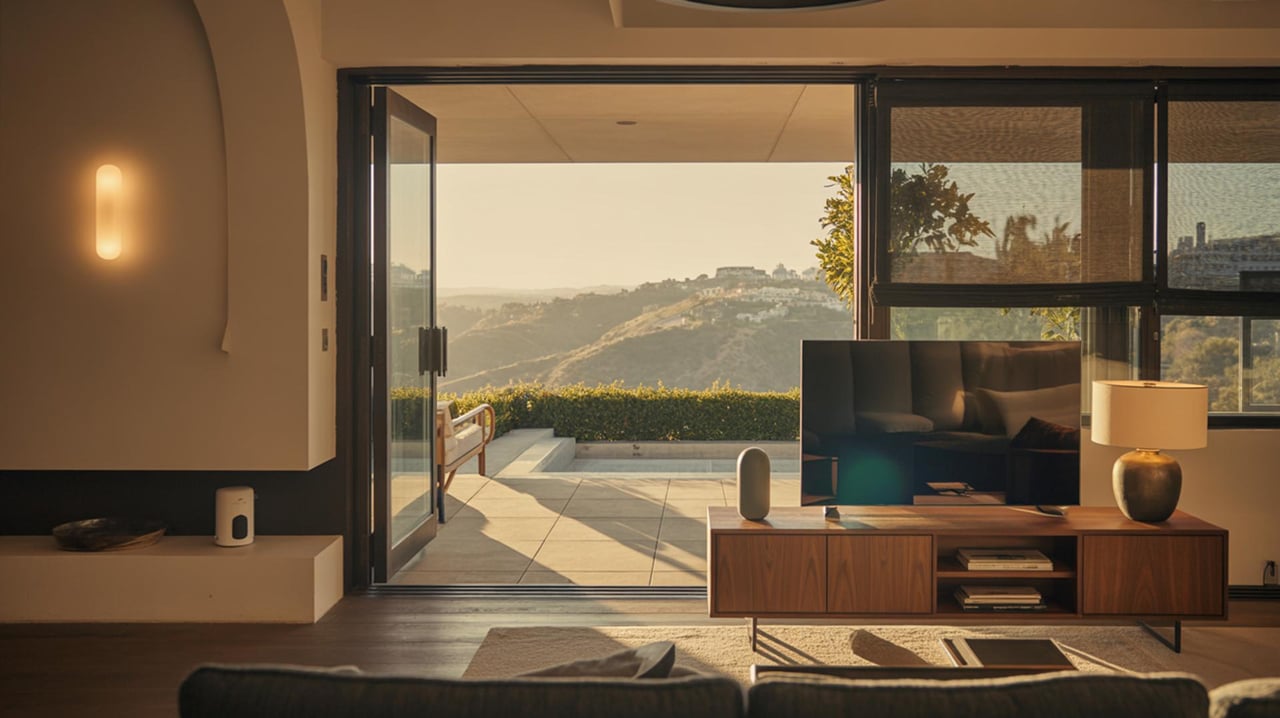
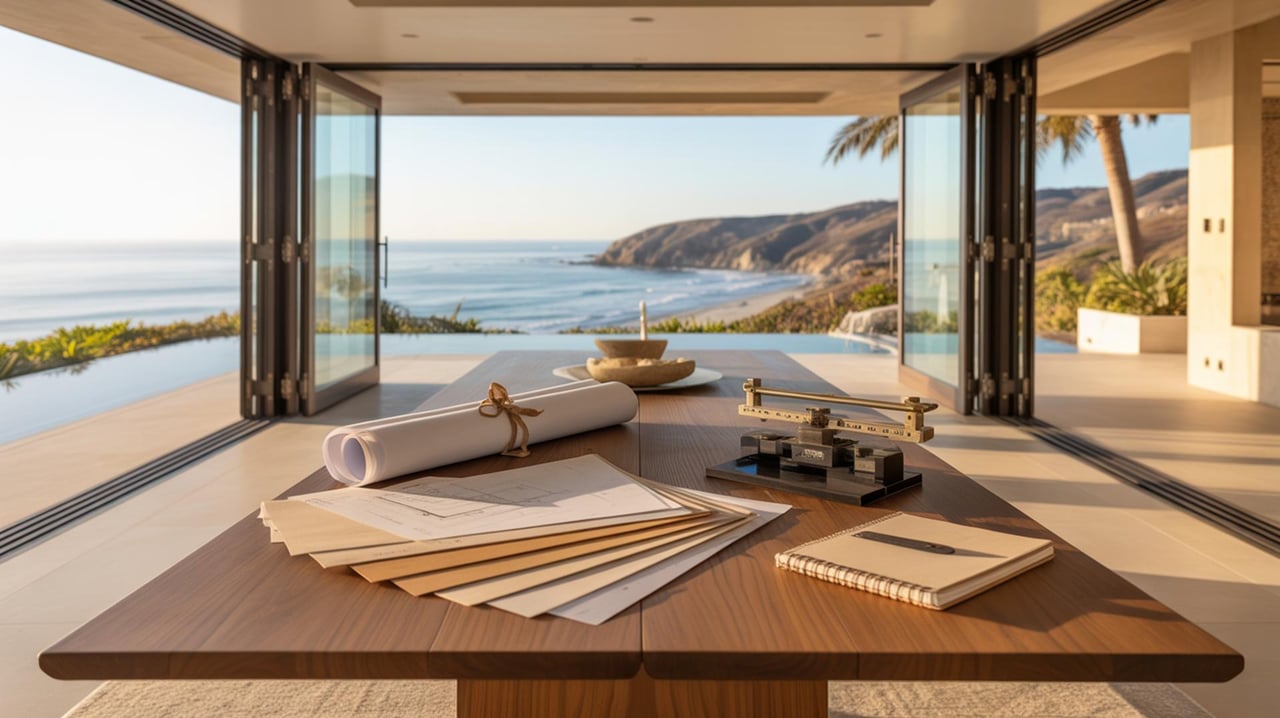
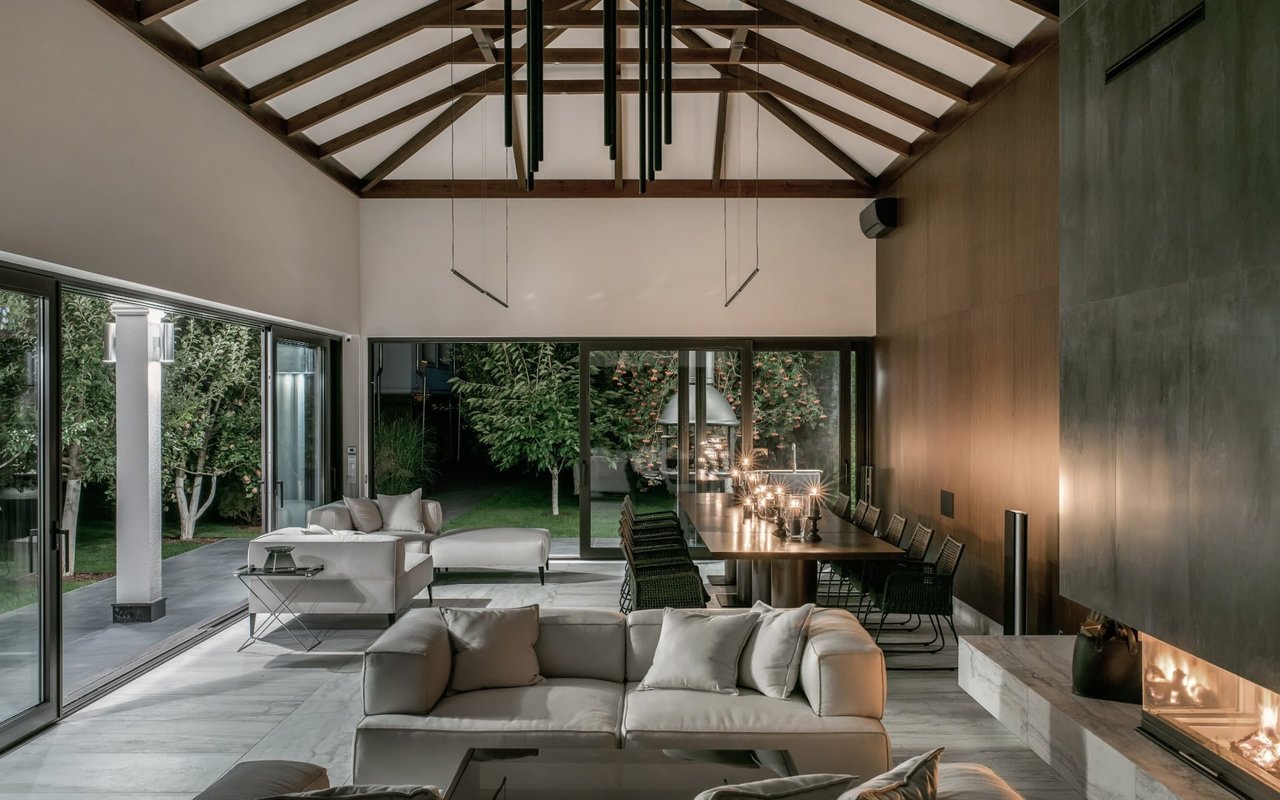
- Doors and glazing: Large sliding or folding glass systems with coastal-rated frames and hardware create uninterrupted sightlines. Choose tempered low-E glass with proper wind-load ratings. In exposed locations, laminated or impact-rated glass may be appropriate.
- Thresholds and flooring: Keep transitions level or minimal. Use consistent flooring tones inside and out for visual continuity, with compliant slip resistance and proper drainage on patios.
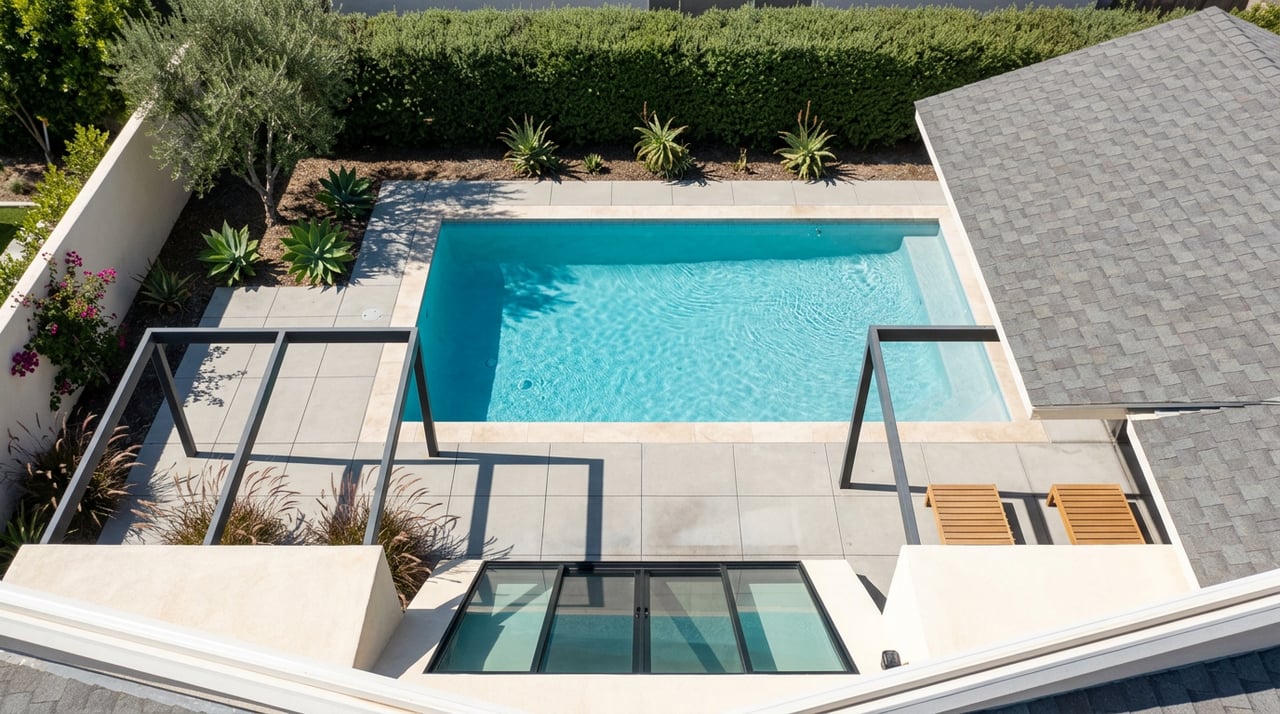
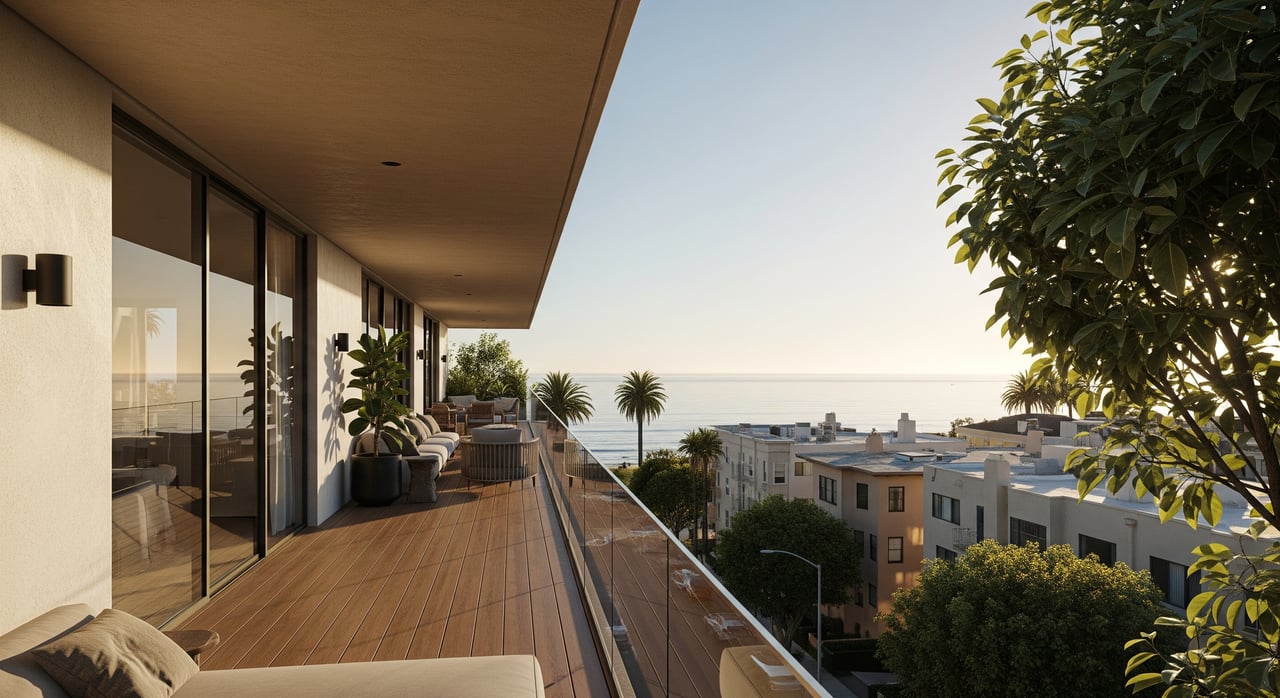
- Covered areas: Pergolas, adjustable louvers, or roofed terraces protect finishes from UV and salt while adding shade and usability in all seasons.
- Screens and wind control: Retractable screens or discreet wind screens help manage breezes without blocking the view.
- Utilities: Plan for water, gas, and electrical with corrosion-resistant enclosures and accessible shutoffs.
Confirm structural attachments and coverings meet local seismic and wind-load requirements. Built-in grills, fire features, and outdoor kitchens often need permits and must follow local building and fire codes for clearances and setbacks.
Landscape for drought and coastal beauty
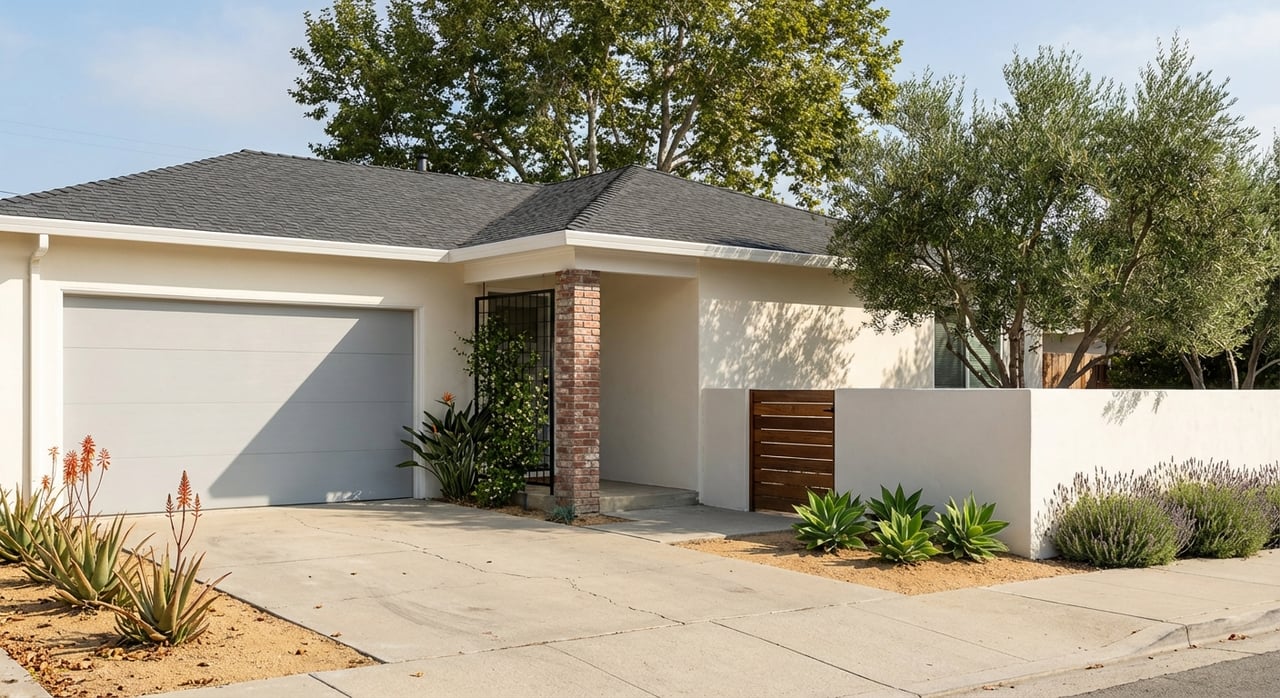
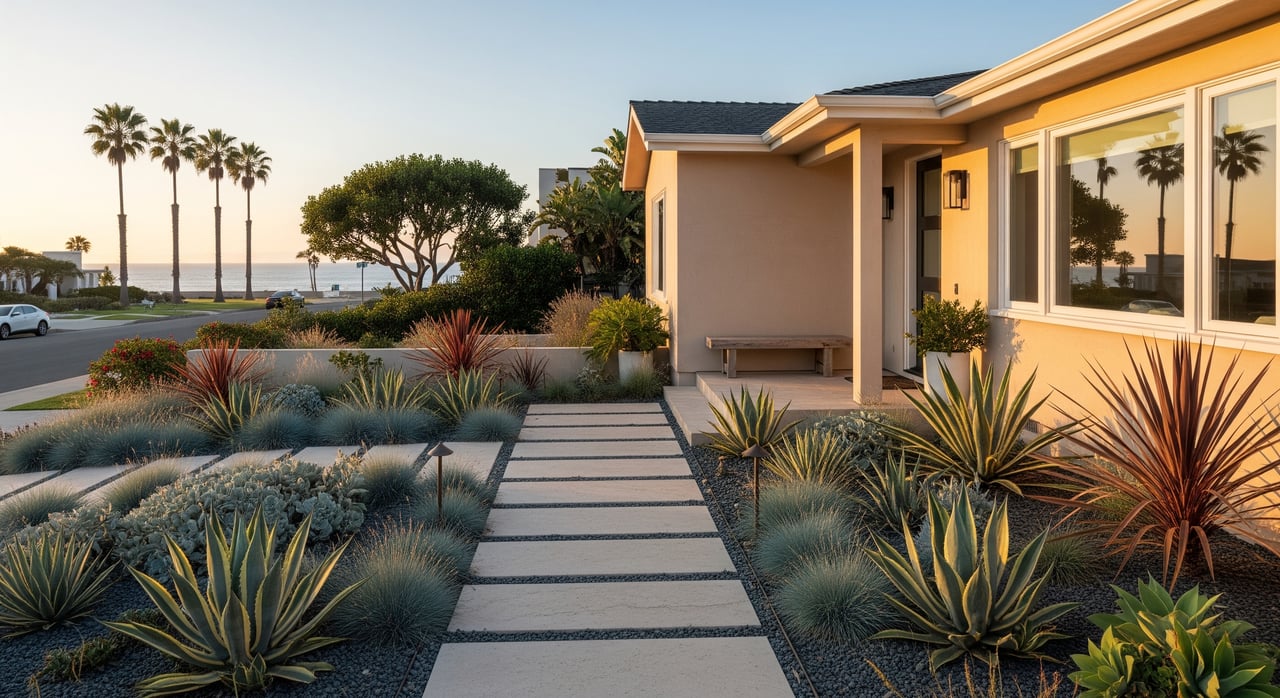
Low-water landscapes are a win for curb appeal and maintenance. Coastal-adapted plants handle salt air and need less irrigation, which many Orange County buyers prefer.
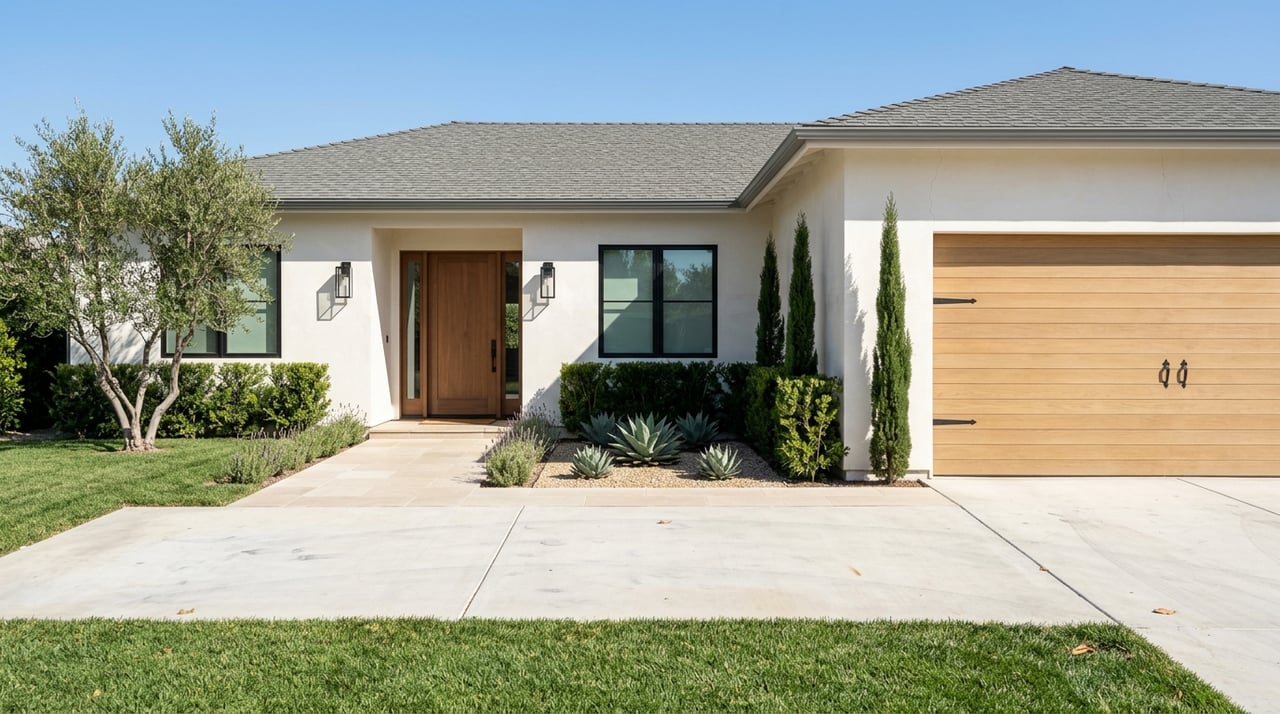
- Plant palette: Favor natives and Mediterranean-adapted choices like California lilac (Ceanothus), manzanita (Arctostaphylos), sages (Salvia), toyon, coast live oak for larger lots, and sculptural succulents such as agave and dudleya. Avoid invasive species, including certain ice plants, in restoration areas.
- Design approach: Layer trees, shrubs, and groundcovers to reduce bare soil and weeds. Use mulch to retain moisture and keep soils cool.
- Replace thirsty turf: Consider reduced lawn or swap to usable hardscape and planted beds that frame outdoor living zones.
- Irrigation: Install drip irrigation for beds and smart controllers to avoid overwatering. Zone plants by water needs. Where feasible, use permeable paving, rain capture, or bioswales to manage runoff and reduce erosion.
- Graywater: California allows certain graywater systems. Check local permit requirements with the City before installation.
If your property is in a wildfire defensible space area, follow local guidance on vegetation spacing and clearance near structures.
Light for safety and evening ambiance
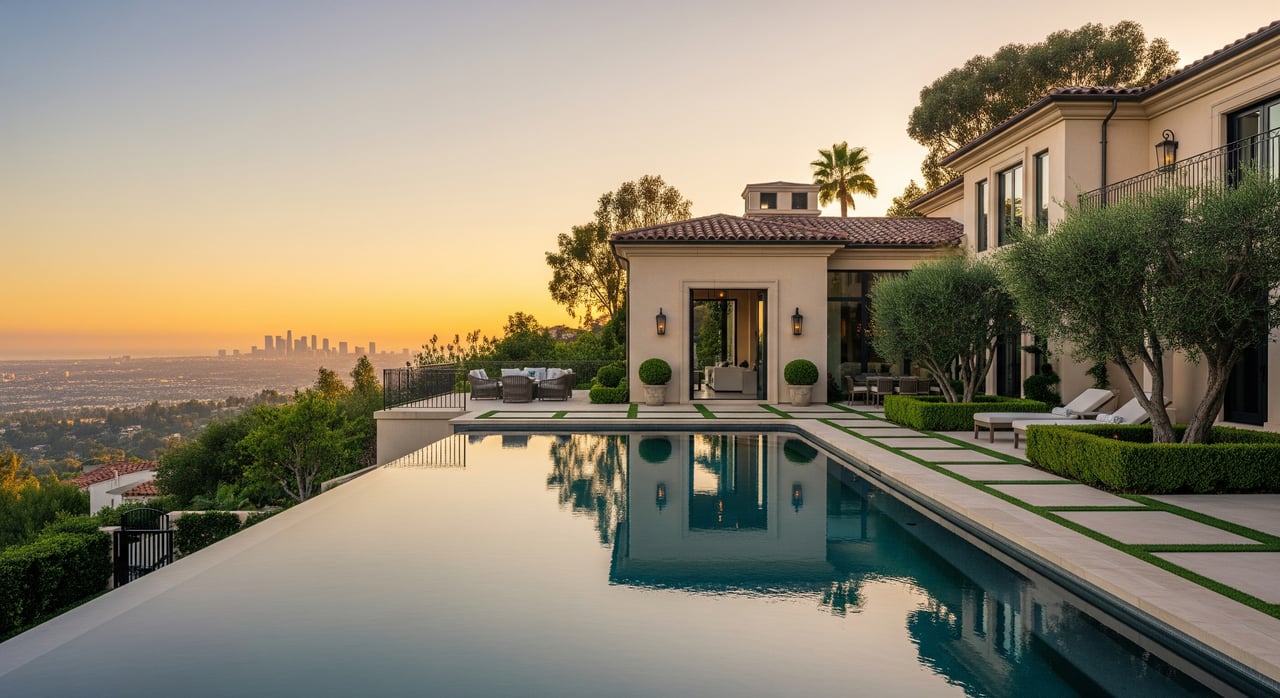
Well-planned lighting extends enjoyment into the evening and helps buyers visualize gatherings on your patio.
- Fixtures and wiring: Choose LED fixtures with marine-grade housings or protective coatings. Use corrosion-resistant wiring, conduit, and sealed connectors for coastal durability.
- Lighting layers: Combine path and step lighting for wayfinding, ambient lighting for lounge and dining areas, and focused task lighting for grills or prep zones.
- Color and control: Warm color temperatures around 2700 to 3000K look inviting. Add timers, motion sensors, or smart controls rated for outdoor use to save energy.
- Neighborhood friendly: Use shielding and downlighting to reduce glare and light trespass. Check any local dark-sky or light spill ordinances.
Know the coastal rules before you build
Laguna Beach properties sit within California’s coastal zone. Larger or shoreline-adjacent projects may need review for consistency with the City’s Local Coastal Program and, in some cases, the California Coastal Commission. Coastal permits are common for new bluff-top structures or additions near the shore, seawalls and major erosion control, and projects that impact public access or views.
Local building and fire codes, along with HOA rules, also govern outdoor kitchens, fixed fire features, railings, and materials. Always confirm that previous outdoor upgrades were permitted, and verify whether new work will require permits or coastal approvals before you start.
Plan for coastal hazards and maintenance
Coastal conditions affect both costs and insurance. Set expectations early to reduce surprises during escrow.
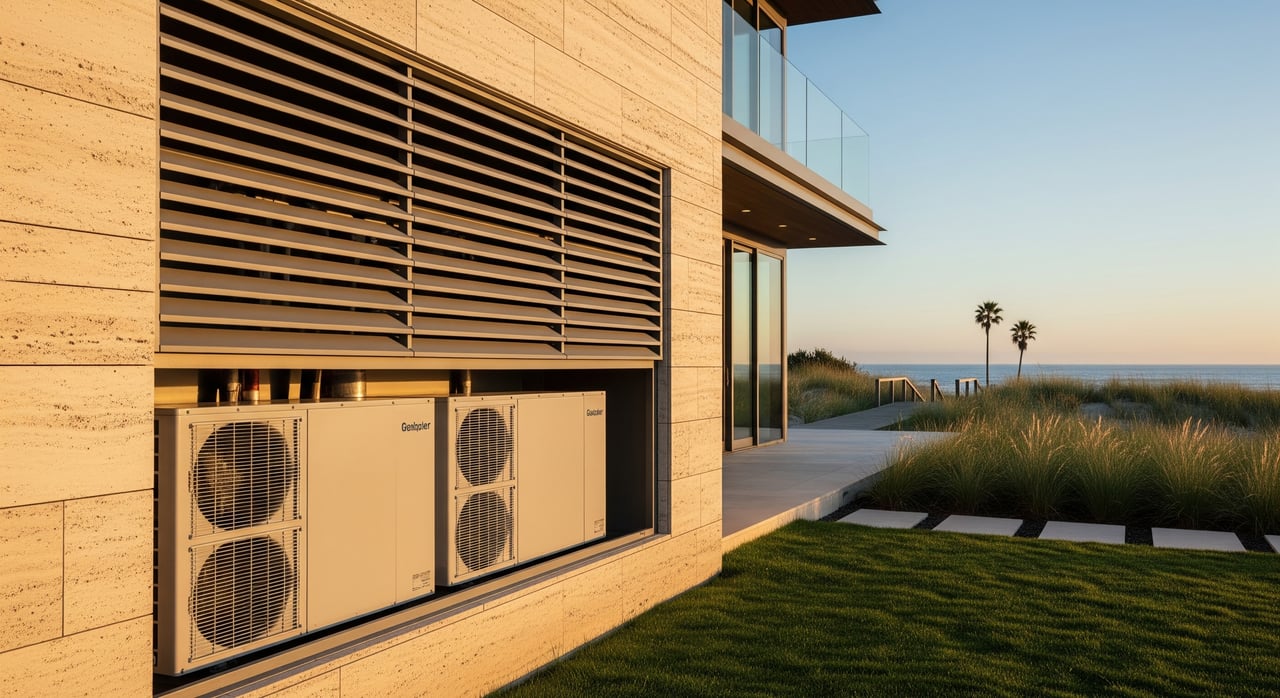
- Corrosion and equipment: HVAC and pool equipment near salt air can age faster. Plan for more frequent inspections and occasional early replacements.
- Bluffs and shoreline: Bluff erosion and coastal armoring are tightly regulated. Bluff-edge owners should obtain geotechnical opinions and confirm prior permits for any shoreline protection that exists.
- Flood exposure: Some low-lying areas may fall within FEMA flood zones. Confirm flood maps and any lender-required insurance.
- Insurance: Availability and premiums can vary near the coast, especially for older homes. Ask an insurance professional about wind, corrosion, and flood considerations.
Prioritize upgrades before you list
If you are prepping to sell, focus on improvements that are clear, durable, and easy for buyers to love.
Address corrosion and safety first. Replace rusted railings, corroded fasteners, and any rotted exterior components. Buyers notice deferred maintenance immediately.
Refresh what buyers touch and see. Power wash, repaint with coastal-grade exterior paints, and replace worn cushions or fabrics. These steps boost first impressions on a modest budget.
Add functional outdoor living. Create a defined seating or dining zone with shade, durable flooring, and layered lighting. It helps buyers imagine daily life on the property.
Go water-wise. Reduce turf where practical, install drip irrigation, and plant attractive coastal-adapted species. Orange County buyers respond well to low-water landscapes.
Upgrade openings for flow if budget allows. Quality sliding or folding door systems with coastal-rated hardware can transform daily living and elevate perceived value.
When comparing bids, remember that marine-grade hardware and finishes often cost more upfront but pay off with lower maintenance. Gather multiple estimates and prioritize durability and compliance over the lowest initial price.
Due diligence checklist for sellers and buyers
- Permits: Verify permits and finals for decks, outdoor kitchens, structural additions, seawalls, and significant landscape changes.
- Coastal approvals: Confirm whether bluff or shoreline work was reviewed by the City or the California Coastal Commission.
- Condition: Inspect railings, fasteners, exterior stairs, and mechanical systems for corrosion or rot.
- Irrigation: Identify drip versus spray systems and whether a smart controller is installed. Collect any turf removal or rebate documentation.
- Hazards: Check FEMA flood maps, ask about past flooding, and note proximity to bluffs or erosion-prone slopes.
- HOA and local rules: Review restrictions on appliances, built structures, or exterior finishes.
- Warranties and records: Gather documentation for composite decking, glazing systems, outdoor appliances, and exterior paint schedules.
- Insurance: Obtain quotes to understand coastal coverage and any mitigation requirements.
Recommended inspections include a general home inspection with an exterior focus, a pest inspection for moisture-prone areas, a geotechnical opinion for bluff or slope conditions, and a landscape and irrigation review for water efficiency and plant health.
Resale takeaways for Laguna Beach
In this market, emotional appeal is often tied to views, sightlines, and the comfort of outdoor rooms. Simple moves like shade, seating, and lighting can resonate more than high-maintenance custom features. Buyers place real value on low-upkeep materials, water-wise landscapes, and documented permits and warranties for coastal-grade products. Present a space that looks effortless to enjoy and straightforward to maintain.
Get expert help that adds value
If you are weighing which outdoor improvements to tackle, a targeted plan can save time and money while boosting buyer appeal. Baharian Group specializes in hands-on preparation, renovation oversight, and elevated listing presentation that turns outdoor spaces into market-ready showcases. For a tailored strategy and pricing guidance, connect with Baharian Group.
FAQs
What materials stand up to salt air in Laguna Beach?
- Favor 316 stainless steel, powder-coated aluminum, dense stone or sealed concrete, high-quality composite decking, solution-dyed acrylic fabrics, and marine-grade paints for longer coastal performance.
Do I need permits for an outdoor kitchen in Laguna Beach?
- Often yes; gas, electrical, and fixed fire features typically require permits and must meet local building and fire codes, with additional coastal approvals possible depending on location and scope.
Which drought-tolerant plants work near the coast?
- California lilac, manzanita, sages, toyon, coast live oak for larger properties, and succulents like agave and dudleya handle coastal conditions with lower water needs.
How should I light a Laguna Beach patio for evenings?
- Use marine-grade LED fixtures and low-voltage systems with sealed connectors, layer ambient, path, and task lighting, choose warm color temperatures, and add timers or smart controls.
What coastal hazards should I check before buying?
- Review corrosion on exterior elements, confirm bluff stability and any shoreline permits, check FEMA flood zone status, and price insurance with wind, corrosion, and flood considerations.
Which outdoor upgrades add the most buyer appeal locally?
- Durable materials, a covered seating or dining area, seamless door systems for indoor–outdoor flow, water-wise landscaping, and thoughtful evening lighting typically attract Laguna Beach buyers.