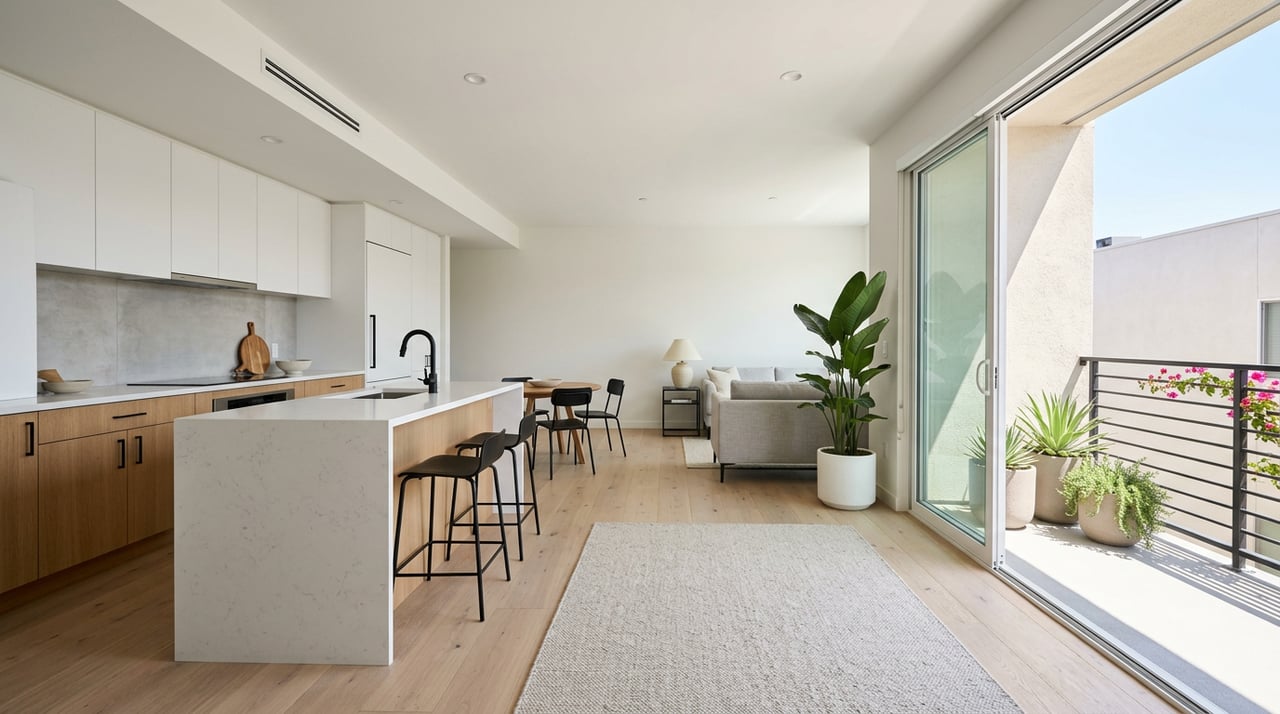
Santa Monica gives you two great paths into coastal living: a lock-and-leave condo near the beach or a single-family home with room to spread out. If you are weighing lifestyle, budget, and long-term plans, the choice can feel overwhelming. You want what fits your daily routine now and protects your investment over time. In this guide, you will see clear trade-offs, local rules to know, and a simple checklist to move forward with confidence. Let’s dive in.
Condo vs house: quick orientation
Picking the right property type starts with how you want to live day to day.
A condo is likely a better fit if:
- You prioritize walkability to the beach, shopping, and dining.
- You want lower maintenance and shared amenities.
- You need a lower entry price for Santa Monica and accept HOA rules and dues.
A house is likely a better fit if:
- You want private outdoor space, a yard, or a pool.
- You want garage or driveway parking and more privacy.
- You want maximum control over remodels and are comfortable with higher purchase and maintenance costs.
What homes cost in Santa Monica now
Santa Monica is a high-cost coastal market. As of January 2026, vendor data shows typical values in the mid to high seven figures citywide. Zillow’s index places a typical Santa Monica home value around $1.67 million, while Redfin reports a median sale price near $1.50 million with roughly $1,100 per square foot. Different sources use different methods, so treat these as a range, not a single number.
Condos are the most common entry point. You will see tiers from entry one-bedroom condos in the low to mid six figures into the low seven figures, two-bedroom condos in the high six to low seven figures, and luxury oceanfront buildings at multi-million dollar levels. Single-family homes often start well above condo pricing and can reach several million in premium pockets.
Neighborhoods shape price
Prices vary block by block. Areas north of Montana Avenue and the 90402 ocean-adjacent zone can be many multiples above citywide medians. Closer to major attractions or with larger lots, you will pay for location, privacy, and outdoor space.
Monthly costs and maintenance
When you compare monthly budgets, look past the mortgage to the recurring line items that differ most between condos and houses.
HOA dues vs home upkeep
- Condos: You will almost always pay a monthly HOA fee. In Santa Monica, dues commonly range from the low hundreds to north of $1,000 per month, with luxury oceanfront buildings sometimes above $2,000 per month. Dues reflect amenities, building age, and service level.
- Houses: You are responsible for the entire exterior and systems. A common planning rule is to set aside about 1 percent of the home’s value per year for maintenance and repairs, adjusting up for older homes or extensive landscaping. This is a guideline, not a quote, but it helps you budget early. See an overview of typical annual costs in this maintenance guide from a national warranty source: annual cost of home maintenance.
HOA reserves and special assessments
For condos, reserve strength matters. California law requires HOAs to adopt and disclose a reserve funding plan. Buyers should review the budget, reserve study, and any history of special assessments because underfunded reserves can lead to large one-time owner charges. You can read the reserve planning requirement in California Civil Code Section 5560.
Insurance and earthquake planning
Insurance needs differ by property type and should be priced early in your search.
- Condo owners typically carry an HO-6 policy for the interior and personal property. The HOA’s master policy covers the building shell and common areas. Confirm master policy limits and deductibles during escrow.
- Single-family homeowners carry an HO-3 policy that covers the full structure and liability.
- Earthquake coverage is separate in California. Many Santa Monica buyers consider it due to seismic risk. Start with quotes and coverage options through the California Earthquake Authority.
Financing and resale considerations
Your financing options can look different for condos versus houses because condos must meet project-level standards.
Condo “warrantability” and why it matters
Conventional lenders and the GSEs apply project standards. Buildings that do not meet those standards are often called non-warrantable. That can narrow financing choices, increase rates or down payments, and reduce your future buyer pool. Ask your lender to review project eligibility early so you understand your options before you write an offer.
FHA and spot approvals
If you plan to use an FHA loan for a condo, the project generally must be FHA approved or qualify for a single-unit “spot” approval. You can check status using the HUD FHA condominium lookup. Spot approvals are possible but add documents and time. For an overview of FHA condo requirements and underwriting touchpoints, see this explainer on FHA condo loans and approvals.
What lenders review in HOA packages
Expect requests for the current budget, financials, reserve study, master insurance declarations, delinquency rates, litigation disclosures, and more. High delinquency, significant commercial space, or ongoing litigation can complicate financing and affect your terms. You will find a helpful summary of common lender review items in the same FHA condo loans resource.
Santa Monica rules that affect daily life
Local policy can shape what you can do with a property and how you plan future projects.
Short-term rentals and home-sharing
Santa Monica permits hosted home-sharing when the host is on-site but generally prohibits unhosted vacation rentals. The City actively enforces these rules. If you plan to rent short term, verify both city registration and HOA rules. Recent enforcement actions underscore this priority; see the City’s update on lawsuit against a serial short-term rental violator.
Coastal zone and remodel permits
Homes near the beach can face added permit steps due to the Local Coastal Program, view corridors, and sea-level-rise policies. If you are considering major work, factor in timeline and coastal review. For background, see the City’s note on the Local Coastal Program Land Use Plan.
Seismic retrofit program
Santa Monica adopted a seismic retrofit program in 2017 that targets vulnerable structures, including many older multifamily buildings. Some projects have finished, while others may still carry retrofit obligations or costs. If you are buying a condo in a pre-1978 building, ask whether retrofit orders are outstanding and how costs will be handled. You can learn more about the program and building types affected here: Santa Monica soft-story retrofit overview.
Parking and permits
Many condos include assigned spaces and may have limited guest parking. Houses often provide garage or driveway parking. Street parking in Santa Monica can require residential permits in certain zones, so check the address for permit requirements before you commit.
Lifestyle differences you will feel
- Privacy and space: Houses offer yards and separation from neighbors, while condos trade some privacy for location and convenience.
- Amenities: Condos may offer gyms, pools, and security. Houses require you to create and maintain those features on your own.
- Rules and flexibility: Condo CC&Rs govern renovations, rentals, pets, and noise. Houses give you more freedom within city rules.
- Daily convenience: Elevators, package rooms, and on-site management can make condo living seamless. Houses may involve more weekly chores but reward you with personal control.
A simple decision framework
Use these prompts to clarify your best fit:
- Space: How many bedrooms and what kind of outdoor area do you need for the next 5 to 7 years?
- Commute and walkability: Is being close to the beach, the Promenade, or transit worth giving up some privacy?
- Monthly budget: Would you rather pay a predictable HOA or manage variable maintenance costs yourself?
- Renovation appetite: Do you want to set your own schedule and scope, or does shared governance feel safer?
- Exit strategy: Will your likely future buyer be a financed condo buyer (who depends on project eligibility) or a house buyer with broader loan options?
Buyer checklist: what to verify first
- Get pre-approved and ask your lender about condo overlays and project eligibility. Condo projects can be non-warrantable, and FHA or VA buyers may face project approval steps. See a concise summary in this guide to FHA condo loans.
- For condos: Request the HOA resale package early. Review budget, financials, reserve study, insurance declarations, CC&Rs, board minutes, litigation, and any special assessments. If using FHA, confirm status in the HUD condo lookup.
- For houses: Order a thorough inspection and pull permit history. Start a maintenance budget at about 1 percent of home value per year and adjust for age and features, as outlined in this annual maintenance cost overview.
- Insurance: Price HO-3 (house) or HO-6 (condo) and a separate earthquake policy early. Start with options from the California Earthquake Authority.
- Local verification: Confirm short-term rental eligibility and any municipal notices (pending seismic retrofit orders, code items, parking permit zones). Santa Monica enforces these rules; see recent home-sharing enforcement.
- HOA reserves: Ask how reserves align with upcoming capital needs and read the reserve study. California’s Civil Code Section 5560 explains planning requirements.
Final thoughts
There is no wrong answer between a Santa Monica condo and a house. The right choice balances your daily routine, tolerance for rules versus responsibility, monthly budget, and long-term plans. If you take time to verify financing fit, HOA health, seismic context, and local rules, you will be set up for a confident purchase.
If you want a second set of eyes on a building’s HOA, a pre-offer pricing gut check, or a plan to time the market, reach out to the Baharian Group for a clear next step.
FAQs
What is cheaper month to month in Santa Monica, a condo or a house?
- Condos often have lower purchase prices but add HOA dues (from the low hundreds to well over $1,000 per month). Houses avoid HOAs but require you to budget for maintenance, commonly planned at about 1 percent of home value per year.
Can I use an FHA loan to buy a Santa Monica condo?
- Yes, if the project is FHA approved or the unit qualifies for a spot approval. Check status in the HUD condo lookup and ask your lender about documents and timelines.
How do Santa Monica short-term rental rules impact owners?
- Hosted home-sharing is allowed, but unhosted vacation rentals are generally prohibited. The City enforces these rules, so verify both city registration and HOA policies; see recent home-sharing enforcement.
What is a non-warrantable condo and why does it matter for resale?
- It is a building that does not meet standard project criteria for many conventional loans. Financing options can be more limited, which may reduce your future buyer pool and impact time on market and pricing.
Do I need earthquake insurance in Santa Monica?
- It is optional but commonly considered due to regional seismic risk. Compare coverage and deductibles with a CEA-participating carrier using the California Earthquake Authority.